





Should You Pay to Be on the Cover of a Prestigious News Magazine? Forbes, Times, ELLE...
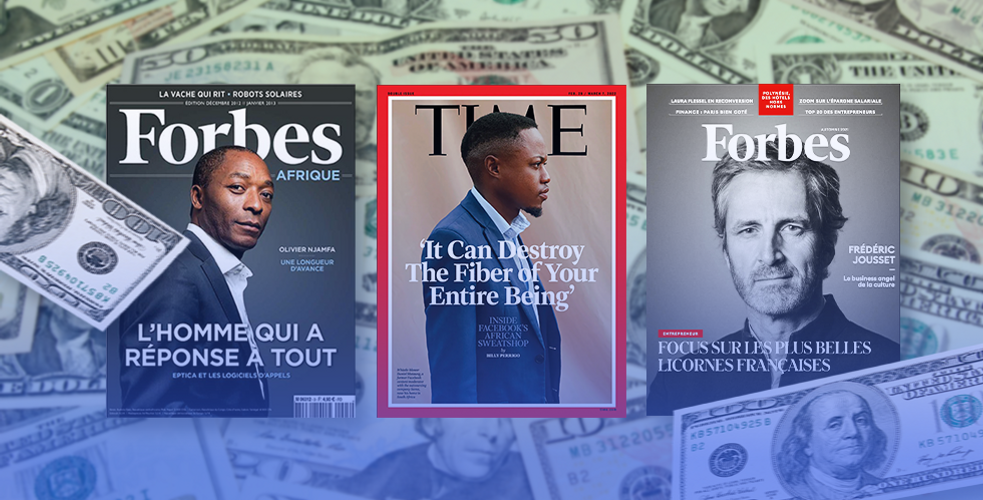
Maddyness, in deficit, wants to sell itself for €5 million. CMA Media said no. Forbes France used to “sell” its covers. The American publisher said stop. What is the benefit of appearing on a cover or in a widely listened-to podcast? And at what price?
When someone wants to establish themselves as a VIP in their professional field, they may be tempted to negotiate their appearance on the cover of a major magazine. When publishing printed magazines, editors may also be tempted to “sell” the cover.
Magazine advertising is better remembered
At the beginning of February, Les Echos revealed that 360BusinessMedia, holder of the French Forbes license since 2016, would stop publishing the magazine and that the December 2025 issue would be the last. Dominique Busso, head of Forbes France, claimed this was a “strategic decision.”
But as reported by La Lettre, it was actually the American parent company that decided not to renew the license after March 31, due to “ethical breaches” by the French businessman. Forbes US has since contacted several parties to continue the adventure in France, preferring magazines with a print edition. Le Crayon, one of the candidates, would therefore be excluded.
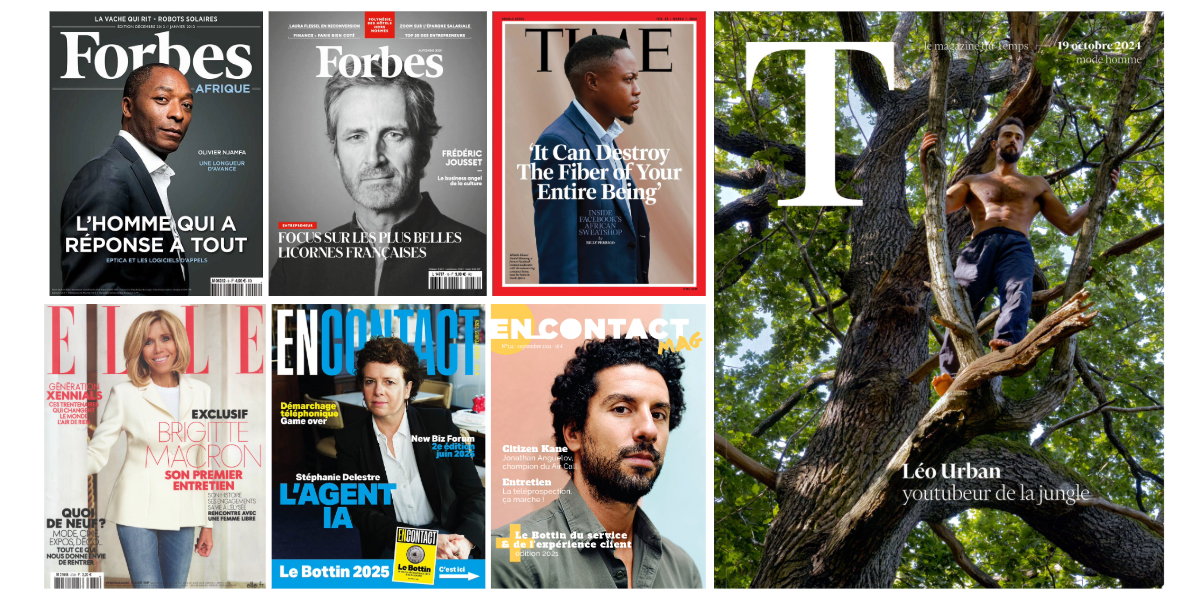
In the call center and customer experience industry, for instance, Olivier Njamfa, co-founder of Eptica, once appeared on the cover of Forbes Africa, and Frédéric Jousset, co-founder of Webhelp, on the cover of Forbes France, which was seen on newsstands. Jonathan Anguelov, co-founder of Aircall, appeared on the cover of our magazine, as did Stéphanie Delestre, CEO of Volubile.ai, and Denis Akriche, former CEO of Armatis. None of them paid to appear on the cover of this magazine, which is primarily concerned with featuring people who shape the industry’s news and deserve greater recognition, the publisher claims. “What is sometimes discussed is the type of portrait that will be published. Denis Akriche, for example, who is a rather discreet person, did not particularly like the cover featuring him.”
Why, then, is Forbes France accused by the American publisher of selling its cover placements, even though it denies it? Publishing renowned Anglo-Saxon titles under franchise is not an easy business. Despite a high-profile launch, the French edition of Time, whose first issue came out recently, has already changed its management team and is reportedly late in paying its contributors.
Maddyness for sale for €5 million—unfortunately not a print magazine
Taken over by Marc Ménasé (who made his fortune selling Nextedia), the digital magazine dedicated to startups and tech is reportedly on the market as well. Despite an investment plan and the arrival of Carole Barkatz as CEO, the company is still seeking profitability. It has not filed its accounts since 2021, when revenues were €2.8 million and losses €447,000.
The AI vertical launched a year ago has not reversed the trend. The hoped-for turnaround has likely not materialized, as several activities were stopped last year and half of the staff left, according to Challenges.
For €20,000, Magali Berdah Buys an Alternative Forbes France Cover
Le Parisien told the story: In July 2021, she appeared in the ranking of the 40 most influential women in France published by the French edition of Forbes, the entrepreneurs’ bible. Aya Nakamura was chosen for the magazine’s official cover. But for €20,000, Magali Berdah bought a batch of copies in which she appeared on the cover.
“The Queen of Digital 2.0 and Influence,” the magazine proclaimed—a headline she shared everywhere, using it as her profile picture on WhatsApp and Instagram. Dominique Busso, head of the French edition of the magazine, sighed, weary: “This second cover was not delivered to subscribers or newsstands.”
Appearing on Legend and its french podcasts? €70,000
Visibility can also be boosted through highly followed podcasts such as Legend, created by Guillaume Pley. Recently, Carrefour CEO Alexandre Bompard was “invited” there, as was Nicolas Sarkozy. According to various sources, it would cost between €50,000 and €70,000 to appear on the podcast with its large audience.
Frank Colin, organizer of “Air Cocaïne,” also appeared there during the release of the Canal+ series and his autobiography. Viewed two million times, the podcast was still free at the time.
Brigitte Macron did not pay to appear on the ELLE cover shown above, which had boosted newsstand sales figures. Nor did Daniel Motaung, the well-known content moderator who exposed the practices of some trust-and-safety specialists with little concern for their employees’ health. The article and the cover helped distinguish ethical BPO players from the others.
Some magazines, however, pay for striking covers by purchasing exclusive photos from individuals, paparazzi, or agencies such as BESTIMAGE.
Paris Habitat Paid—Overpaid—and Made the Front Page of Le Parisien
But if this question is topical today, it is once again because of Paris, Le Parisien, and Paris Habitat. This week’s revelations about overpriced renovation works at France’s largest social housing provider are instructive and have triggered reactions and investigations. Read more here. Paris will always be Paris!